
Summer and gardening tend to go hand in hand. And if you already spend time around a printer, it does not take long to realise the garden is full of little problems that are perfect for 3D printing.
Some of these prints are genuinely practical. Some help keep things organised. A couple are just fun. But together they make a strong case for using your printer for more than desk toys and display pieces.
One important note before getting into the list. Because most of these parts are going to live outdoors, PETG and ASA make a lot more sense than PLA. Garden prints deal with sun, rain, heat, soil, and general abuse. If a part is going to sit outside long term, pick a material that can actually handle it.
Start where every garden starts: seed trays
If you grow from seed each year, a printed seed starter system is one of the easiest upgrades to justify. A simple grid-style tray with a water reservoir underneath keeps everything tidy and makes it easier to start several plants at once without turning your workspace into a mess.
The design featured here uses a 3 by 3 layout, so you get nine starter pots sitting neatly in a matching base tray. The biggest benefit is controlled watering. Instead of soaking each pot individually and spilling everywhere, the tray keeps moisture contained and organised.
If you want to make it even better, print the bottom tray in a translucent material so you can easily check the water level.
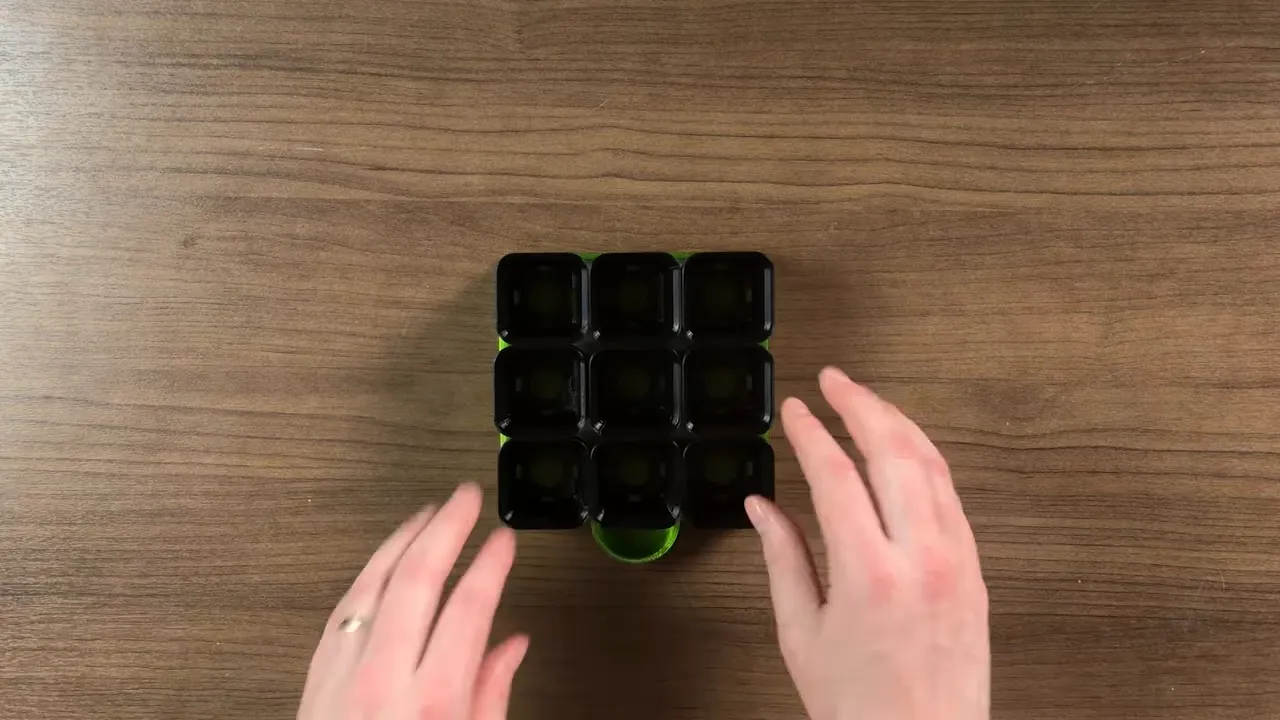
There is one smart material choice to keep in mind here. Even if the tray is translucent, the pots themselves should be printed in a darker opaque filament. Exposed roots and direct sunlight are not a great combination, so keeping the pot walls less transparent helps protect the plants.
Another nice thing about this style of system is that it scales. If nine cells is not enough, larger versions like 5 by 5 or 6 by 4 layouts make it easy to match the setup to the size of your planting season.
Take the guesswork out of sowing with a seed planter tool
Planting depth matters, especially when you are dealing with smaller seeds. Too shallow and they dry out. Too deep and they struggle. A printed seed planter tool is a simple fix for that problem.
This style of tool works by pressing a marked spike into the soil to create a hole at a consistent depth. It is straightforward, quick, and a lot more repeatable than eyeballing it every time.
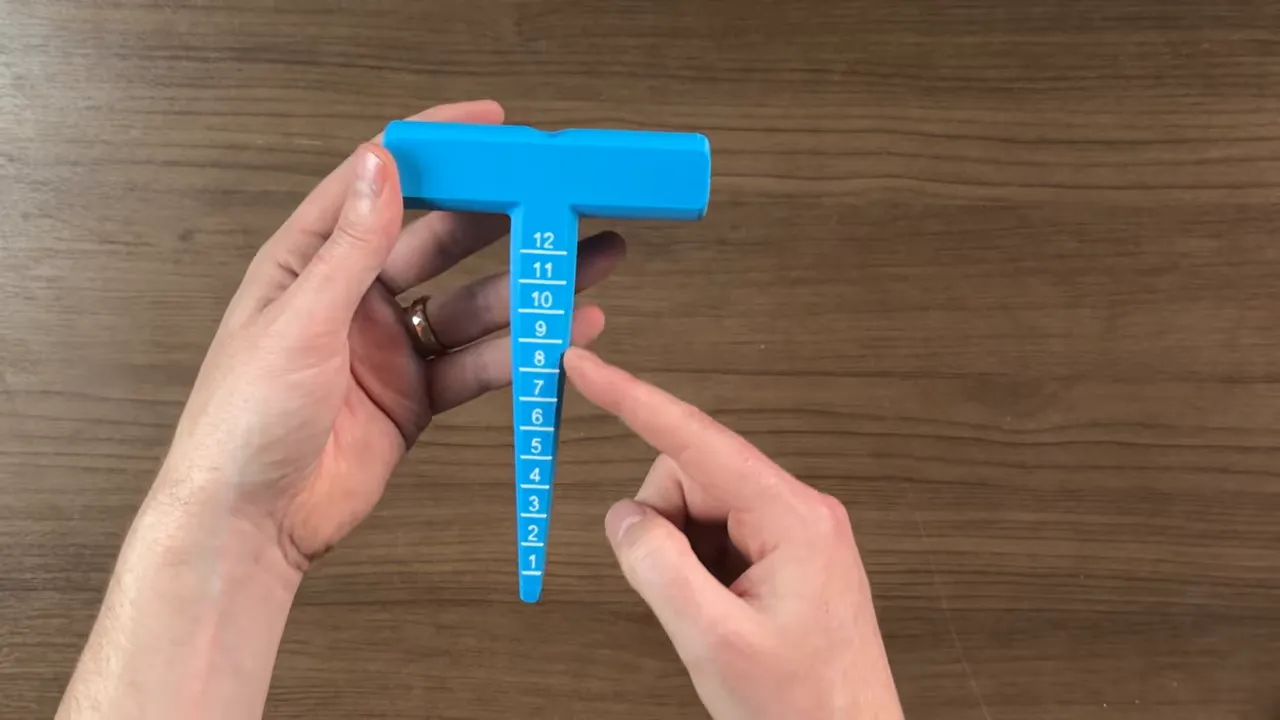
The version highlighted here includes a channel through the handle, which is a clever addition. Once you have reached the right depth, you can drop a seed straight through the tool into the hole. It turns a basic dibber into something a bit more precise and convenient.
If you are planting larger areas and want spacing help as well, a modular seeding system can go a step further. Those tools are designed to keep both depth and spacing consistent across rows, which is useful for crops where layout really matters.
Plant labels that actually last
Once seeds sprout and seedlings start filling trays and beds, keeping track of what is what becomes surprisingly annoying. Printed plant markers are one of those small upgrades that save more frustration than you would expect.
Parametric plant labels are especially useful because they are easy to customise. You can open the design in a browser, type in the plant name, adjust the size, and print exactly what you need. That is much better than buying generic markers and hoping you still remember what was planted where three weeks later.
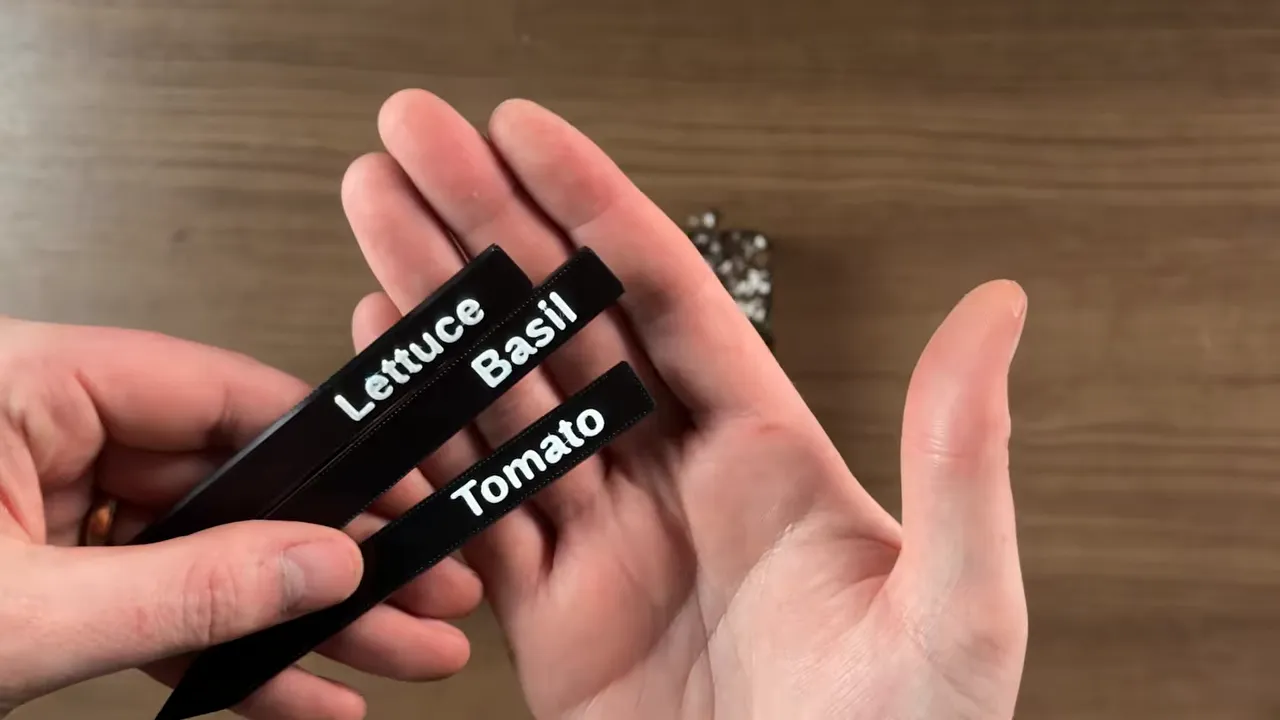
Vertical text layouts are handy for tight spaces, small pots, or crowded foliage where a wider marker would get lost. If your printer supports multi-material printing, you can make high-contrast labels with the text built right in. If not, a single-colour print still works well, and the raised lettering can be highlighted afterwards with an acrylic marker.
This is also one of those cases where 3D printing beats the cheap store-bought option. The flimsy white tags with handwritten marker text usually fade out fast. Raised plastic lettering holds up much better and is far easier to reuse next season.
Protecting your plants from pests
Getting plants to grow is only part of gardening. Keeping them alive is the second half of the job.
Snail guards
If snails are chewing through young leafy plants, a printed snail guard is a pretty clever defence. These guards sit around the base of the plant and use their shape to make it much harder for snails to reach the shoots.
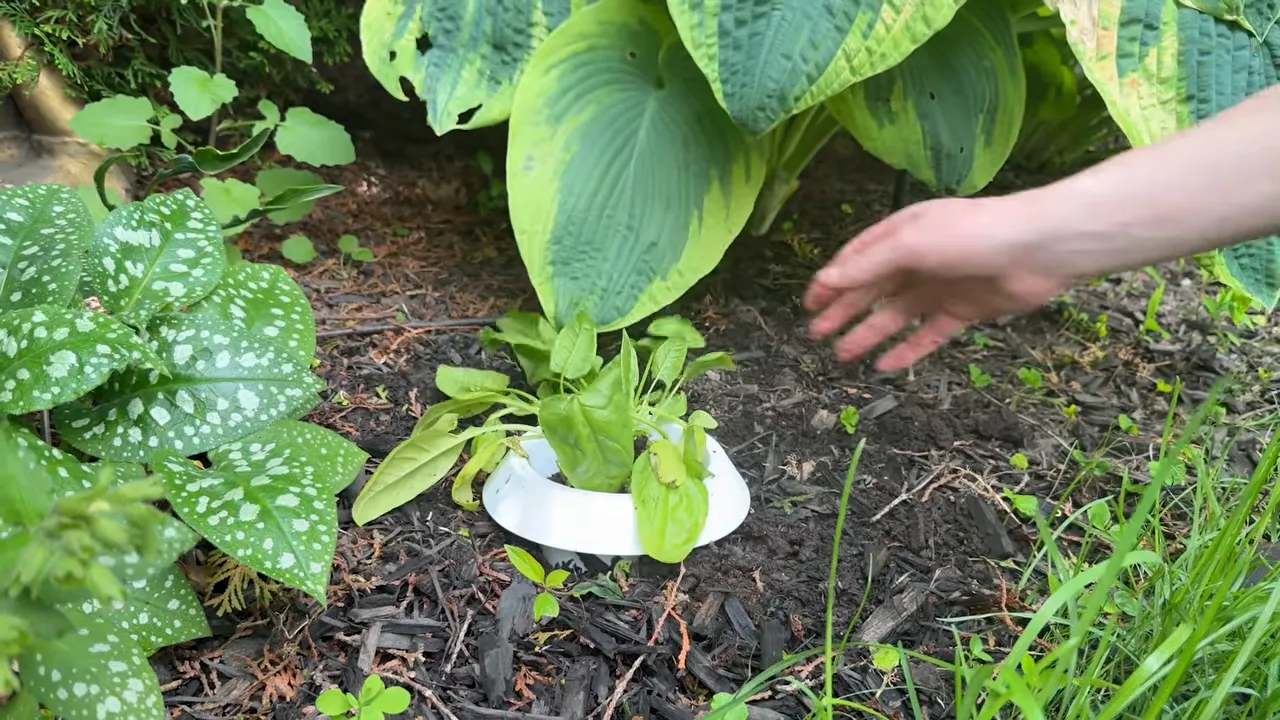
It is a simple concept, but exactly the kind of thing 3D printing is great at. You can print several sizes, and if you need something slightly bigger or smaller, scaling them in your slicer is easy. They also stack neatly when not in use, which is a nice bonus if you do not want a pile of awkward garden parts taking over the shed.
Because this print is fairly thin, PETG is a strong choice here. The extra flexibility and toughness help it survive outdoor use better than a more brittle material would.
A watchful owl for birds
While snail guards deal with problems at ground level, a printed owl handles the aerial side of things. A realistic owl sculpture can work as both garden decor and a deterrent for birds that like raiding beds and picking at crops.
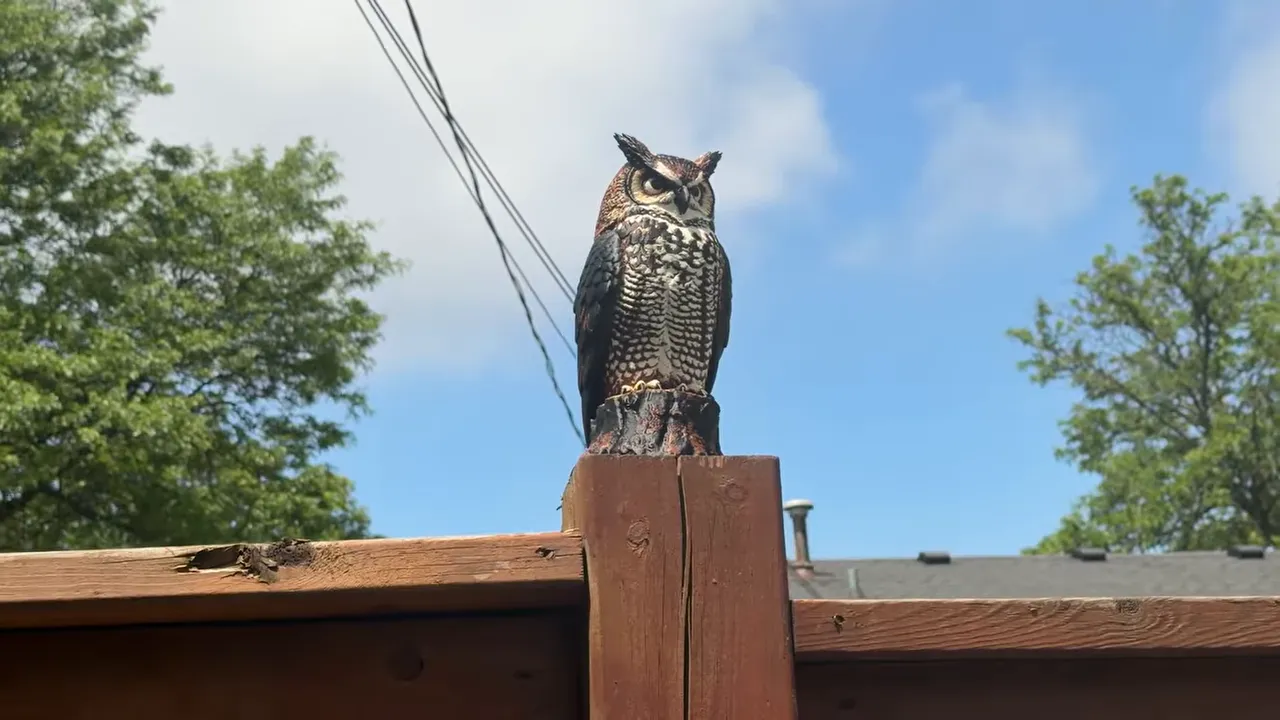
This one is definitely the most ambitious print in the bunch. It is large, highly detailed, and uses four colours. The big challenge is not just the size. It is the sheer number of filament changes involved if you print it on a machine that swaps colours through a single nozzle.
On a multi-tool or multi-nozzle setup, it makes a lot more sense. Even then, expect a serious print job. The example here took roughly 65 hours and over 3,000 filament changes. So no, this is not exactly a quick afternoon project.
Still, the result looks excellent, and for a garden piece that is both decorative and practical, it is a pretty memorable one.
Give climbing plants the support they need
Some plants need a little structure if you want them growing upward instead of collapsing into the soil. A modular printed plant cage is a clean solution for tomatoes, beans, and other plants that benefit from vertical support.
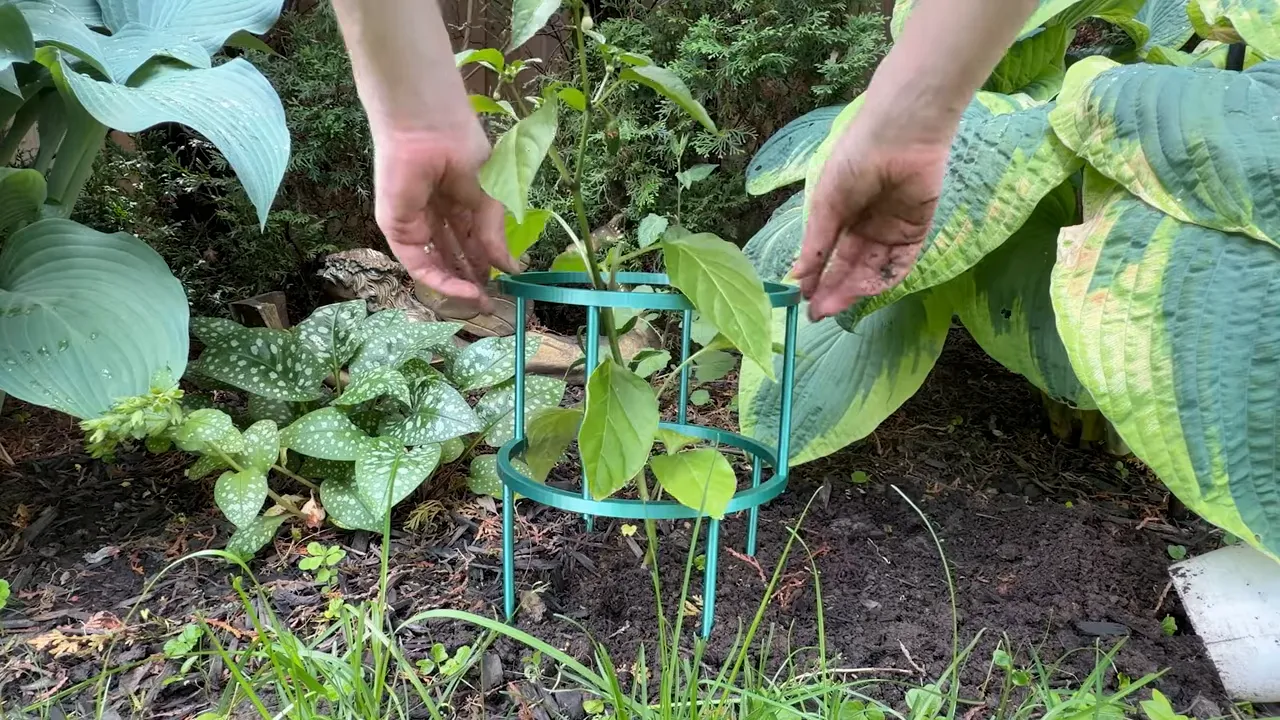
The nice thing about this design is that it is stackable. You can start with a lower section and add more as the plant gets taller. That makes it flexible and saves you from needing multiple cage sizes for different growth stages.
The example shown has a diameter of about 22 cm, so it is not going to fit every small build plate. If you are running a compact printer, check dimensions before slicing. For most standard machines, though, it should be manageable.
And while it is aimed at outdoor gardening, there is no reason this kind of support could not be used for indoor plants too.
Use drip irrigation as a short-term watering backup
If you need a way to keep plants watered while you are away, a printed drip irrigation attachment paired with a standard soda bottle is a genuinely useful little project.
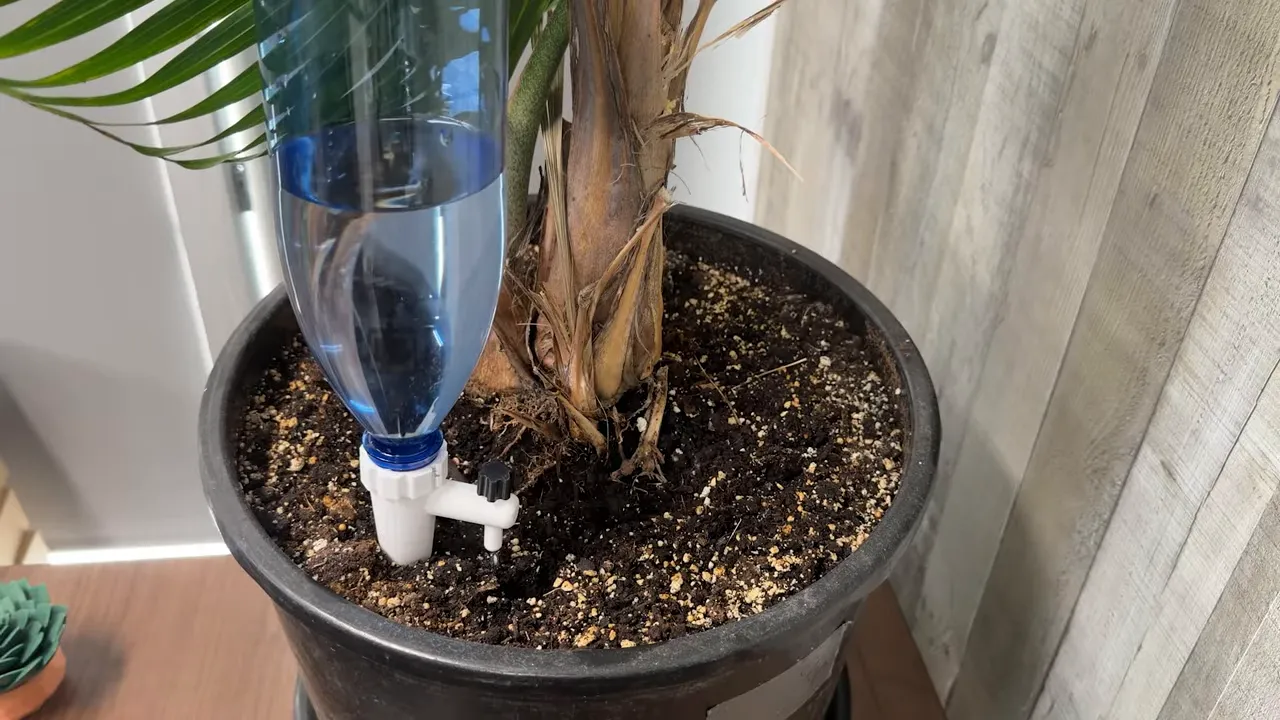
The concept is simple. The bottle acts as a water reservoir, and the printed attachment controls a slow feed into the soil. It works for potted plants, raised beds, greenhouses, and even houseplants.
That said, this is best treated as a temporary solution, not a permanent watering strategy. Constant dripping can leave roots too wet for too long, especially if the soil never gets a chance to dry between waterings. That can lead to root rot if you are not careful.
For a weekend away or a short trip, though, it makes a lot of sense.
There are also a couple of practical printing notes worth knowing:
- The threads can be a bit finicky to print cleanly.
- The smaller part has been known to snap for some users.
- It is a good idea to work the threads gently the first time rather than forcing them.
- If the stopper is too tight, a bit of sanding can make assembly safer.
Yes, you can 3D print lawn aerator shoe spikes
This one absolutely looks a bit ridiculous, but it is hard not to appreciate the idea. Printed aerator soles strap onto your shoes so you can walk around the lawn and punch holes into the soil, helping with airflow and potentially improving grass health.
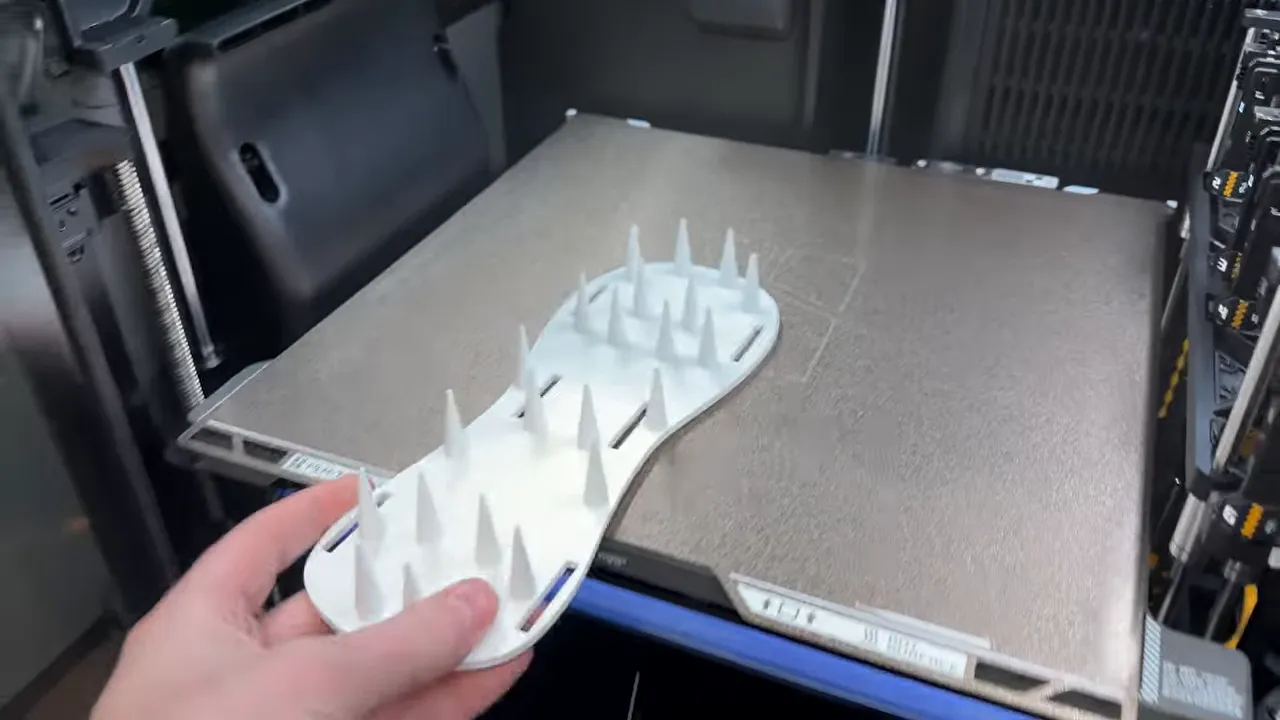
For extra stiffness, a reinforced PETG like glass-filled PETG is a sensible material choice. That added rigidity helps the part hold up better under body weight and repeated stepping.
The original design used Velcro straps for fastening, though cord can work too if that is what you have on hand.
There are two useful caveats here:
- An improved version of the design was released after the original print, so it makes sense to use the updated one.
- The default scale may be too small depending on your shoe size, so check fit before printing.
It is not the most elegant garden accessory on earth, but it is definitely one of the more entertaining ones.
Organise the shed with a garden tool holder
After a day in the garden, tools tend to end up leaning in corners or piled in whatever spot was closest. A wall-mounted garden tool holder is a simple print, but one that pays off every time you put things away.
These holders are meant for sheds, greenhouses, or garage walls, giving rakes, shovels, and other long-handled tools a dedicated place to live.
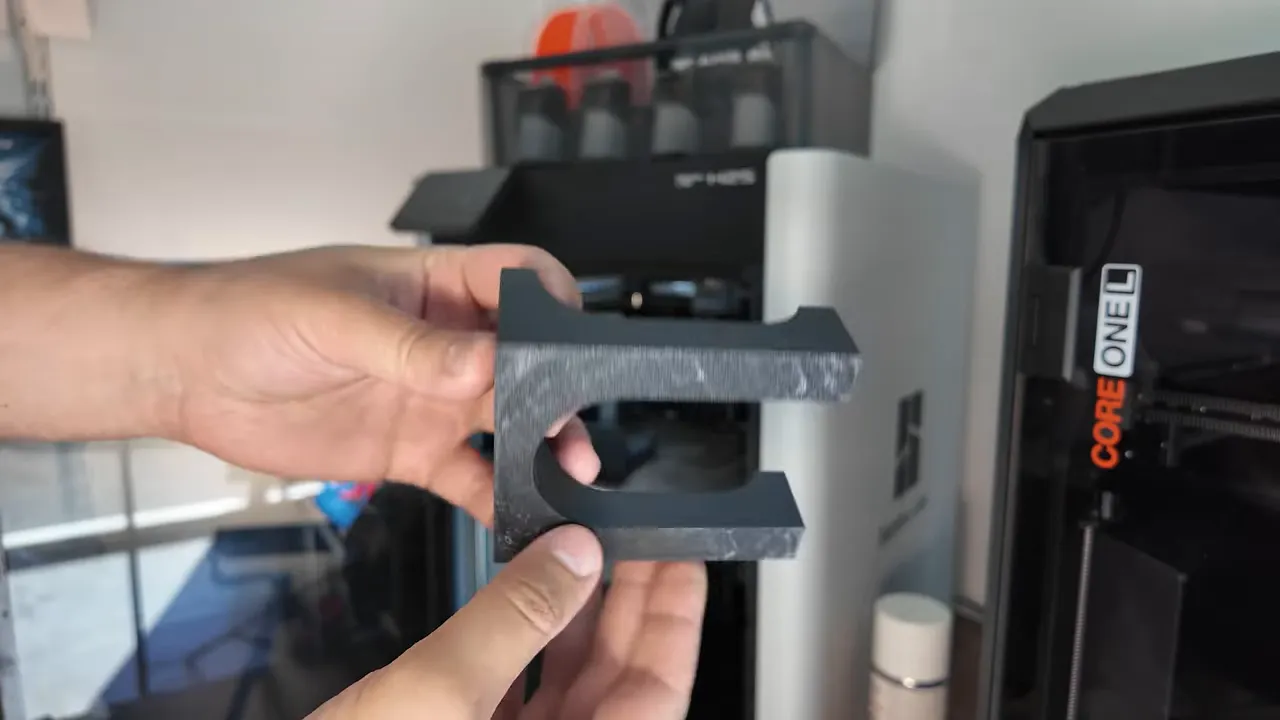
This is also a good example of why material choice matters. Printing these in ASA is a smart move because sheds can get hotter than the outside air, especially in full sun. A material like PLA could soften or deform in those conditions, while ASA offers much better heat resistance and durability.
It is not a flashy print, but it is the sort of practical improvement that makes your whole gardening setup feel more put together.
Number your garden beds if you want better records
This next idea sounds a little over the top at first, but it is surprisingly useful. Instead of trying to remember the bed by the tomatoes, or the one beside the fence, you can assign each bed a number and refer to it directly.
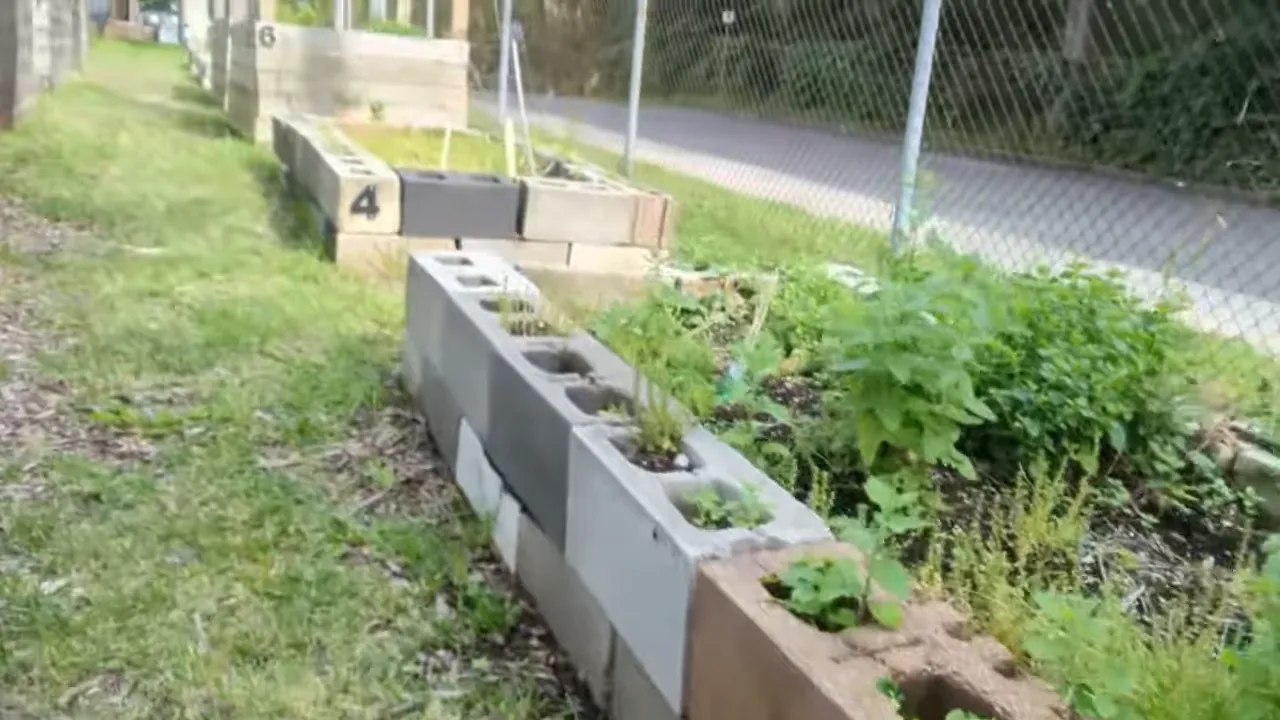
Printed house numbers work perfectly for this. Mount them to wooden raised beds, concrete block beds, or whatever structure you are using, and suddenly your layout becomes much easier to manage.
This is especially handy if you:
- track crop rotation
- keep seasonal garden notes
- log watering schedules
- record fertiliser changes
- test different plant varieties in different beds
In shared or community gardens, it becomes even more useful because everyone can refer to the same bed numbers instead of using vague landmarks.
Once you start organising like this, gardening takes on a slightly more experimental feel, in a good way. It becomes easier to compare results and actually learn from one season to the next.
Not everything has to solve a problem
Some prints are worth making simply because they add personality. A tiny printed treehouse that tucks into a potted plant is exactly that kind of project.
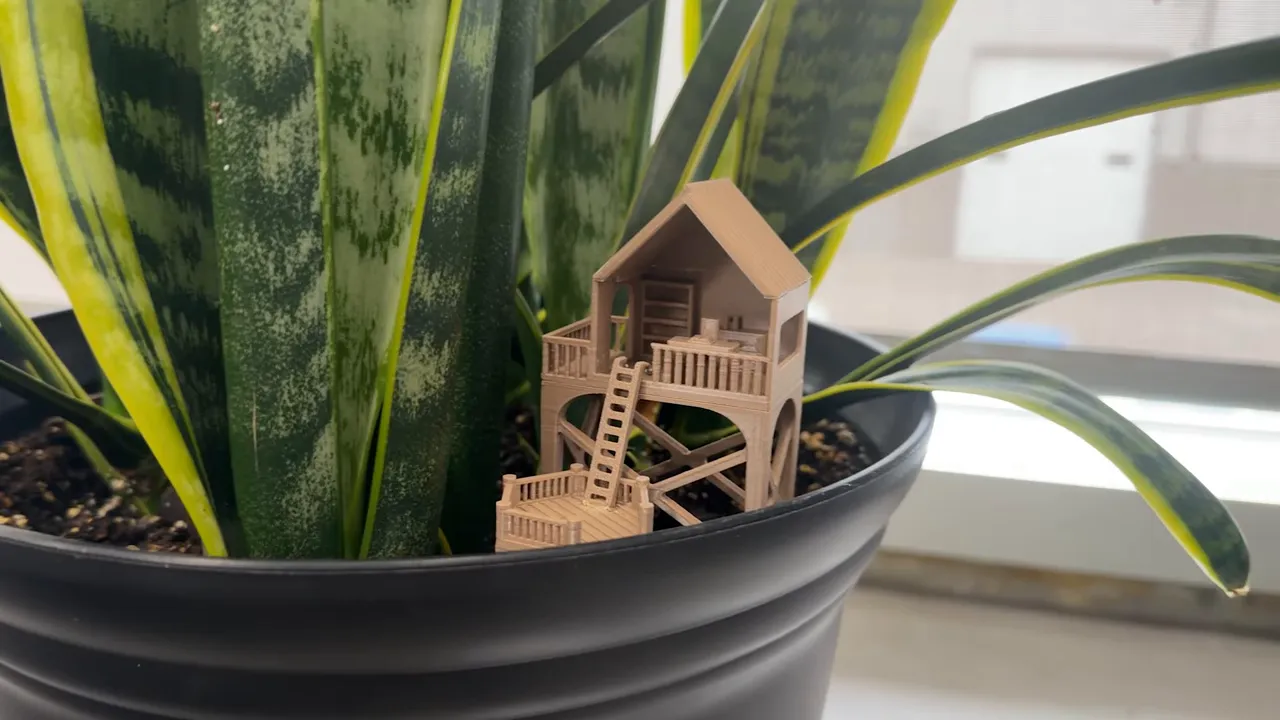
It does not defend your crops, organise your tools, or automate your watering. It is just a miniature decorative treehouse for a plant pot, and honestly that is enough.
Because this one is better suited to indoor use, PLA is completely fine here. It does not need to survive full-time outdoor exposure the way the other prints do.
The best part is the detail. It has enough little design touches to make it feel like a proper miniature structure, which gives a desk plant or shelf plant a lot more character. It would also make a fun gift for anyone who likes plants and tiny things.
Choosing the right material for garden prints
Looking across the whole list, there is a pretty clear pattern:
- PETG is a great default for outdoor garden parts because it handles moisture, sun, and temperature changes well, while offering a bit of flexibility.
- ASA is ideal when heat resistance matters more, especially for parts stored in hot sheds or exposed to harsher outdoor conditions.
- PLA still has a place, but mostly for indoor decorative prints that are not going to bake in the sun.
If you get the material wrong, even a well-designed print can fail quickly outdoors. If you get it right, these are the kinds of parts you can use season after season.
Small prints, real upgrades
What I like most about these kinds of projects is that they show how practical 3D printing can be. A garden is full of little annoyances, repeat tasks, and organisation problems. It is also full of opportunities for custom tools and parts that are cheap to make and easy to adapt.
Some of these prints solve problems you probably already have. Others just make gardening a bit more enjoyable. Either way, that is a pretty solid use for a printer.
If there is a part of your hobby, workspace, or daily routine that feels slightly inefficient, there is a good chance a printable solution already exists, or could be designed. The garden just happens to be one of the best places to prove it.